Tom Stoddart began his photographic career with a provincial newspaper in his native North East of England. In 1978 he moved to London and, working freelance, started to regularly supply national newspapers and magazines. He has been based there to this day.
During the 1980s he worked extensively for the Sunday Times newspaper. In 1982, he was in Beirut when the Israeli forces bombed Yasser Arafat’s besieged PLO base. He also witnessed international events such as the fall of the Berlin Wall, the Romanian Revolution and the massing of alliance troops in the Middle East for the Desert Storm conflict with Iraq.
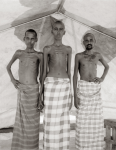
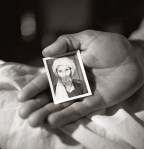
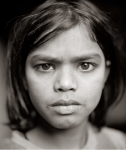
Now established as one of the world’s most respected photojournalists, Stoddart is represented by, and works closely with Getty Images, to produce campaigning photographic projects on the serious world issues of our time just like his work the Sudan famine:
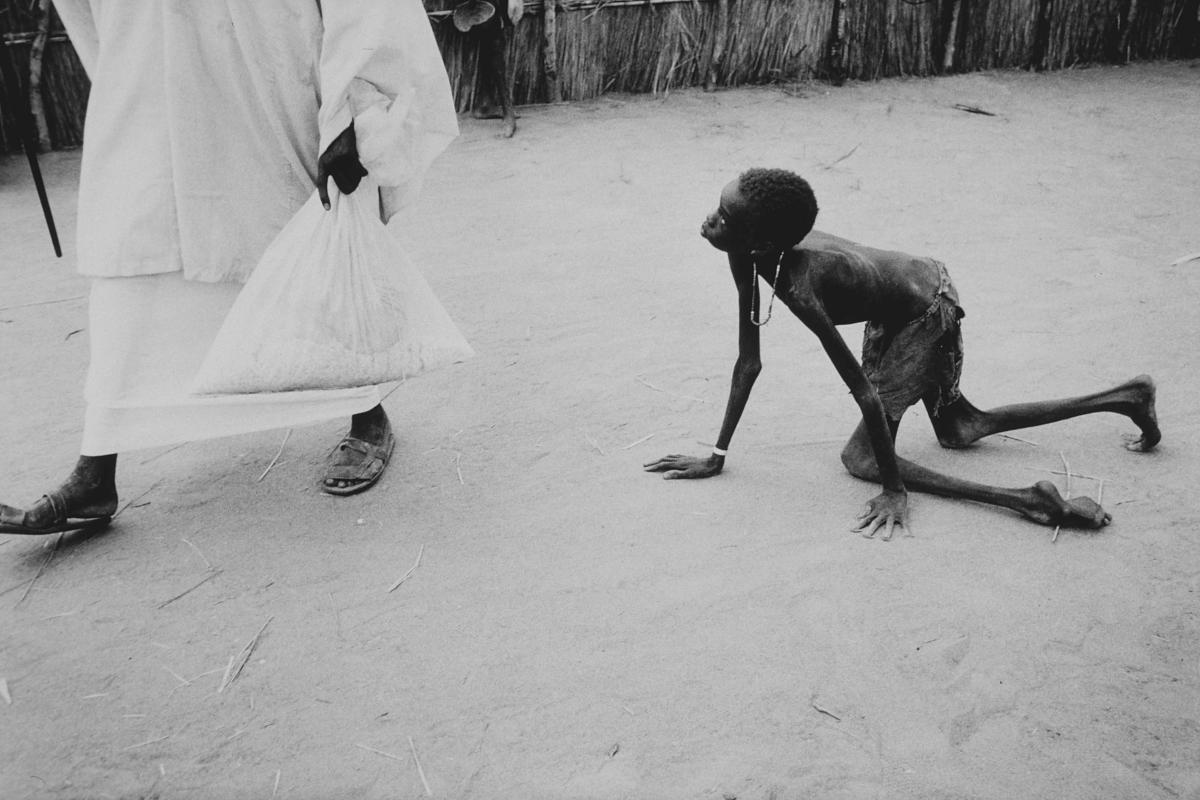
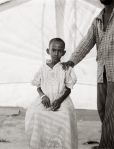
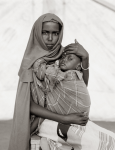
The iconic photographs of Stoddart captures the horrific nature of the famine and drought that was happening in the Sudan in 1998.
At the time the photograph was taken, the Sudan was in the midst of not only a civil war, but also a horrendous famine. Due to the severity of the war, the delivery of much needed aid and supplies was becoming nearly impossible. While thousands of people were suffering and consequently dying, the West was, completely unaware of the famine due to few reports in the media. Though this all changed – supplies were distributed to the Sudan and a few photojournalists were permitted to document the situation, one of those journalists was Tom Stoddart.
Stoddart was already recognized as one of Britain’s greatest photojournalists. Stoddart worked alongside a humanitarian aide organization, this allowed him to witness the famine first hand.
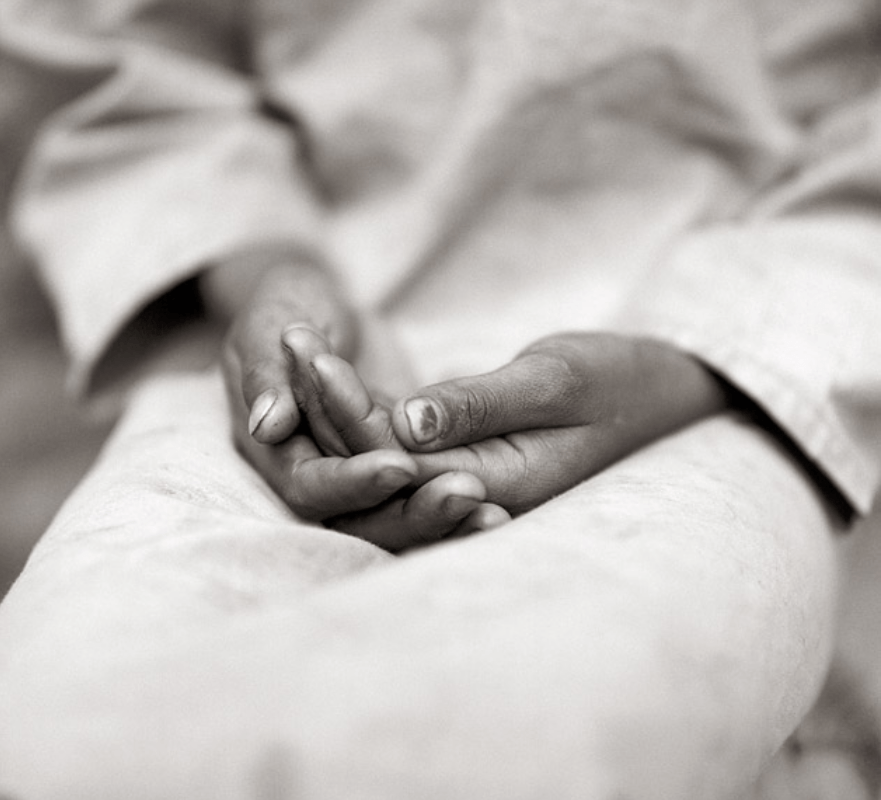
All of the photographs Stoddart captured were in black and white; this helped to focus the viewer’s attention not necessarily on the quality of the photograph, but rather on the subjects in the photograph. Stoddart’s choice to capture these moments in black and white also kept the focus off of the less important features (color of the clothes, color of the fence, etc…) and instead focused on the “soul” and suffering of the young boy. His photographs, while simple in composition, were still extremely powerful in meaning.
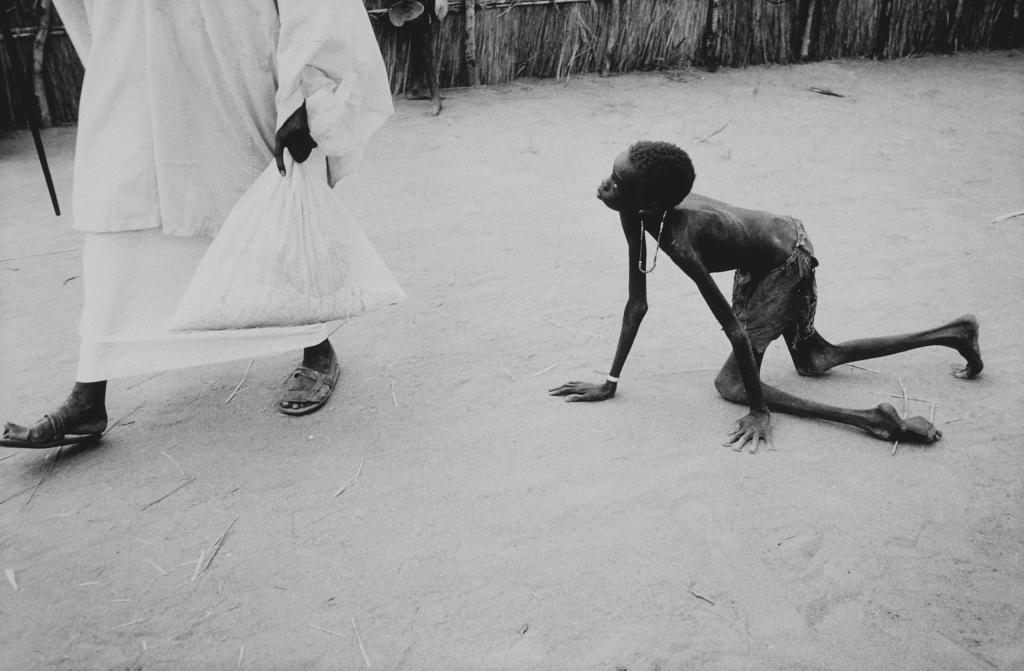 The picture depicts a skeletal young boy who had been waiting for much needed medical and food supplies. Just moments after the boy received the bag of maize, a man, obviously wealthy and healthy, came by and took the bag from the young boy, Stoddart captured the moment that the man walks away with the life saving food. The photo shows the agony on the boys face at the lost of (possibly) his last meal. There are multiple elements of the photograph that cause the audience to attach emotionally to the pain of the young boy. One interesting factor is that the face of the ‘robber’ is not shown within the frame, which gives the idea that this man is just another well off individual taking from the poor; however, the face of the victim is shown, which allows a viewer to connect and pity the boy.
As stated earlier, the photographer uses simple compositions to frame his shots – especially particularly with this photo. The framing and angle of the photo focus the viewer’s attention on the pain and suffering of the main subject, the young boy, in the photo. From the angle of the photograph, the viewer is meant to look down at the boy. According to Stoddart, the downward angle also served as another strong representation:
‘From my point of view,’ Stoddart stated, ‘it’s a symbolic image of Africa as it shows a man with a stick keeping everyone else down. The picture works because of several components – the man’s finger pointing down on the stick, the fact that you can see the maize through the bag and the completely disdainful expression on the boy’s face.’
In terms of space, there is an obvious amount of excess, empty space. This could be because of the dry and empty conditions of the environment, or it could be the photographer’s attempt at, once again, keeping the photograph extremely raw and simple. The excess space provides evidence at just how empty the land and the poor living conditions were for the Sudanese.
The over all composition and display of this photograph was meant to be a harsh and emotional “reality check” for the audience. This photograph, without words, was able to describe the pain and misery of the Sudanese people.
This photograph continues to serve as one of Tom Stoddart’s most powerful piece of work. This iconic photograph represents the rawest of emotions in the most simplest form. Stoddart allowed the “soul” of the photograph to be more important than excess composition styles.



























 Professional Practice Blog